

Views: 0 Author: Site Editor Publish Time: 2026-03-19 Origin: Site
Driving a vehicle should be a smooth and comfortable experience. When you turn the key, the engine rumbles to life, but that vibration should stay contained under the hood. If you suddenly feel your steering wheel shaking or hear loud clanking noises when you accelerate, you might be dealing with a worn-out component holding your engine in place.
Your car relies on a system of hardwearing parts to keep the engine secured to the chassis. A failing civic engine mount can quickly turn a peaceful commute into a rattling, stressful ordeal. These small but crucial structural pieces absorb heavy shocks, reduce engine vibrations, and ensure that your engine stays aligned with your transmission.
Ignoring a damaged mount will eventually cause a ripple effect of mechanical issues across your vehicle. Replacing bad honda civic engine mounts protects your transmission, axles, and suspension system from unnecessary stress. This comprehensive guide explains exactly how these mounts work, how to spot the symptoms of a bad mount, and what steps you need to take to restore your car's reliable performance.
An engine generates a massive amount of internal force and rotational torque while running. Without a secure anchor, the engine would literally twist itself out of position under heavy acceleration. A honda civic engine mount serves as the primary bridge between the engine block and the vehicle's frame.
Most vehicles have three or four mounts securing the engine and transmission. They are typically made of a tough metal bracket filled with heavy-duty rubber or fluid. The metal portion bolted to the frame provides structural rigidity. The rubber or liquid-filled center acts as a shock absorber. This smart design isolates the harsh vibrations of the internal combustion process so you barely feel them inside the cabin.
Over time, the constant exposure to extreme heat, road salt, and engine oil causes the rubber components to degrade, crack, and eventually tear. Once the dampening material fails, the metal brackets can clash directly against each other.
Identifying a problem early can save you thousands of dollars in secondary repairs. Your vehicle will usually give you several warning signs before a mount completely fails.
The most obvious indicator of a bad mount is a noticeable increase in vibration. You will typically feel this vibration through the steering wheel, the floorboards, or your seat. It often becomes most pronounced when you are idling at a stoplight with the car in gear. If shifting into neutral makes the vibration disappear, you are likely dealing with a compromised mount.
When the rubber inside the mount tears completely, the engine is free to shift under torque. Stepping on the gas pedal or abruptly taking your foot off the accelerator causes the engine to rock back and forth. This movement results in a distinct clunking or banging noise from the engine bay.
Pop the hood and take a visual survey of your engine. A healthy engine sits perfectly level within the engine bay. If one side of the engine appears to droop or tilt, a mount has likely collapsed. An engine sitting at a harsh angle puts dangerous stress on the radiator hoses, exhaust pipes, and electrical wiring harnesses.
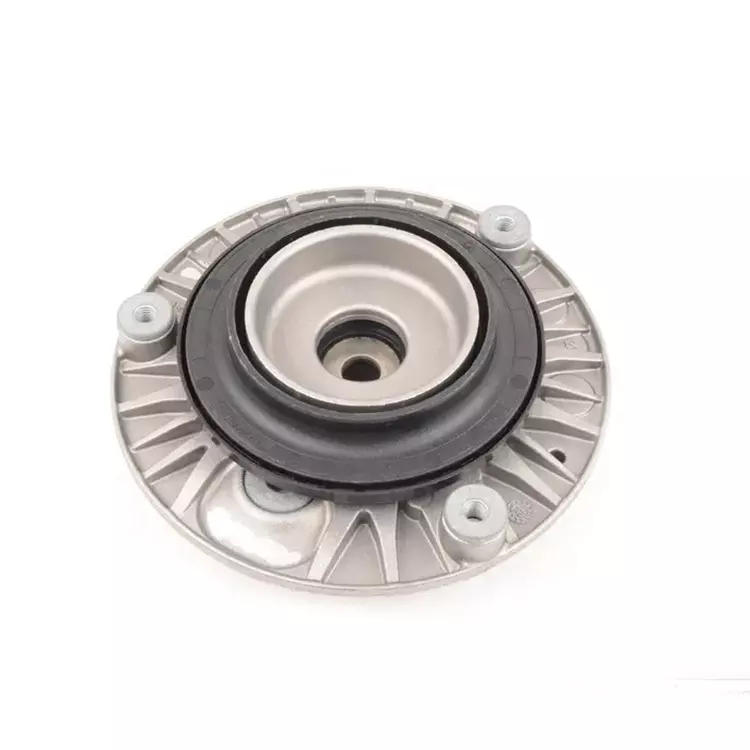
When it comes time to buy replacement parts, you will find several different styles of mounts on the market. Manufacturers design these to cater to different driving styles and budgets. The table below outlines the three main categories you will encounter.
Mount Type | Primary Material | Best Used For | Lifespan |
|---|---|---|---|
OEM Standard | Solid Rubber & Metal | Daily commuting, standard driving | 60,000 - 100,000 miles |
Hydraulic / Fluid-Filled | Liquid / Gel core & Metal | Luxury comfort, maximum vibration dampening | 50,000 - 80,000 miles |
Polyurethane | Polyurethane & Steel | Performance driving, track racing | 100,000+ miles |
Standard rubber mounts offer an excellent balance of comfort and durability for everyday driving. Fluid-filled mounts provide superior vibration isolation, though they are prone to leaking as they age. Polyurethane mounts are extremely rigid, making them perfect for sports cars but often too harsh for daily commutes due to the increased vibration transfer.
When your engine mounts start to fail, the excess movement sends shockwaves through the rest of the car. This extra kinetic energy places a heavy burden on your suspension system. It is always a smart idea to inspect your struts, control arms, and suspension bushings while you have your car in the garage for engine mount replacement.
Finding high-quality replacement parts is crucial for a lasting repair. Reputable manufacturers like Kaiping Shuntu Auto Parts produce reliable engine mounts and suspension components for a wide variety of global vehicle brands. For example, if you manage a mixed fleet or also own a German vehicle, you can easily source parts like a front rubber strut mount 31306863135 for BMW F20 F21 F30 straight from factory-level producers. Checking these adjacent suspension parts ensures your entire vehicle remains stable, safe, and comfortable.
Replacing honda civic engine mounts is a moderately difficult task. You must safely support the heavy engine with a hydraulic jack while you remove the old brackets.
If you possess a solid set of mechanic's tools, a floor jack, and a piece of wood to protect the oil pan, you can handle this repair at home. The passenger-side and front engine mounts are usually easily accessible from the top of the engine bay. The rear mount, located near the firewall, requires more patience and maneuvering to remove. Always consult a service manual to find the exact torque specifications for the mounting bolts.
Many drivers prefer to leave this job to certified mechanics. A professional shop has specialized engine hoists and impact tools that make the replacement process much faster. Having a professional perform the work also guarantees that the engine is properly aligned before the final bolts are tightened down. Improper alignment can cause premature failure of the new replacement parts.
Keeping an eye on the condition of your engine mounts prevents major mechanical failures down the road. Addressing unusual vibrations and engine bay noises immediately keeps your vehicle running smoothly. By taking the time to select the right replacement parts and inspecting your wider suspension system, you protect the long-term health of your vehicle. Regular maintenance guarantees your daily commute stays quiet, comfortable, and reliable for years to come.